
Modern Expansion: 1983 Addition
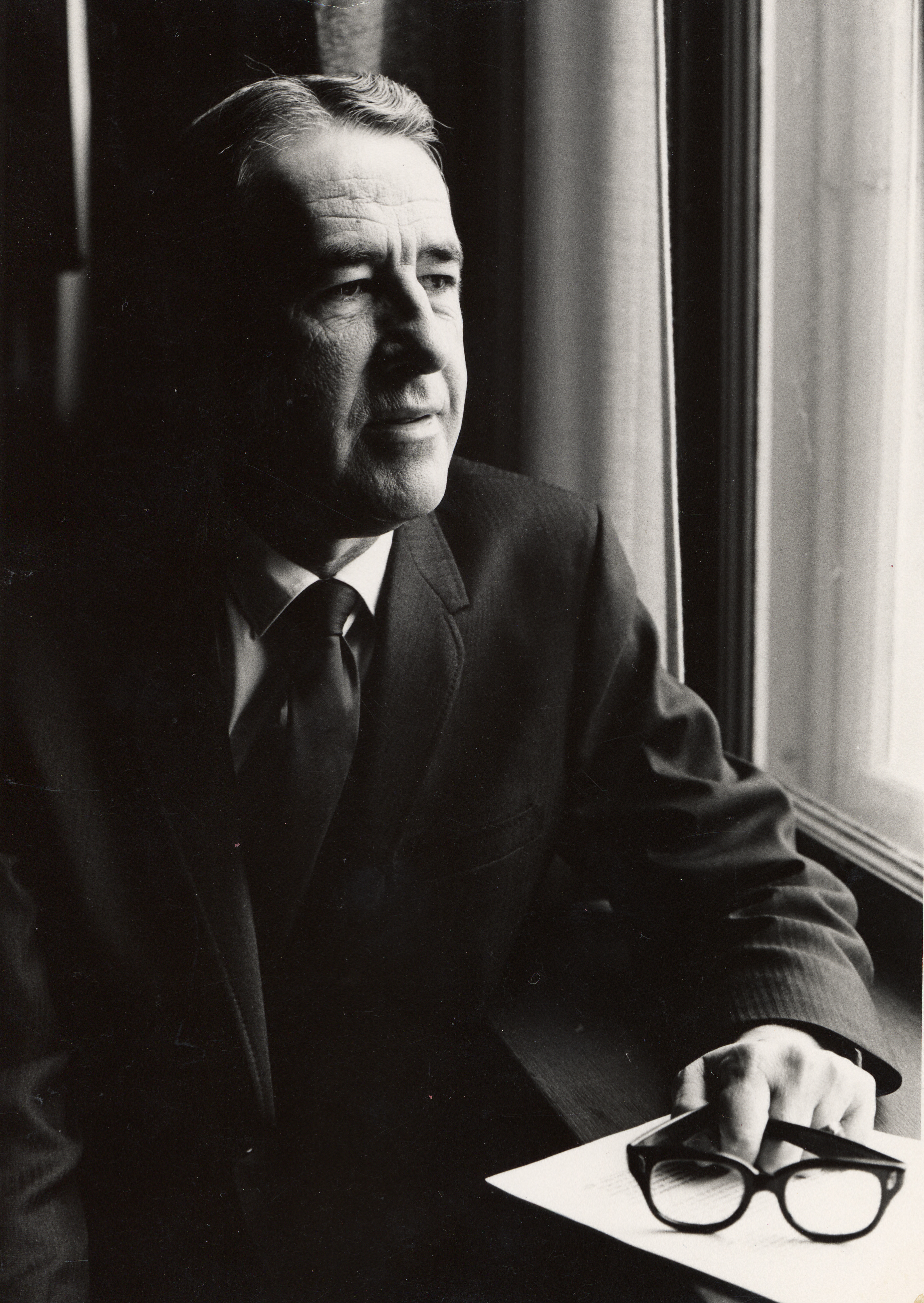
Even after the 1969 addition, enrollment increased and the demand for more individual and group study, staff, instruction, and collection storage space persisted. Additionally, with University President Robert Parks’ new emphasis on academic programs in the humanities and social sciences, the library collections and staffing needed to grow and expand significantly. Under the leadership of Library Dean Warren Kuhn, total library holdings increased from approximately 680,000 volumes to nearly 1.2 million between 1967 and 1977, and library full-time staff and faculty totaled over 160 individuals.


Library departments continued to expand and evolve in the late 1960s and through the 1970s. Library instruction developed into a required one-credit course that nearly 6,000 students a year completed. A new Media/Microforms Center emerged as past iterations of similar services consolidated and adapted to changing technology. The library explored automated services across divisions, such as the Circulation Department utilizing IBM 1030 equipment to manage many operations.


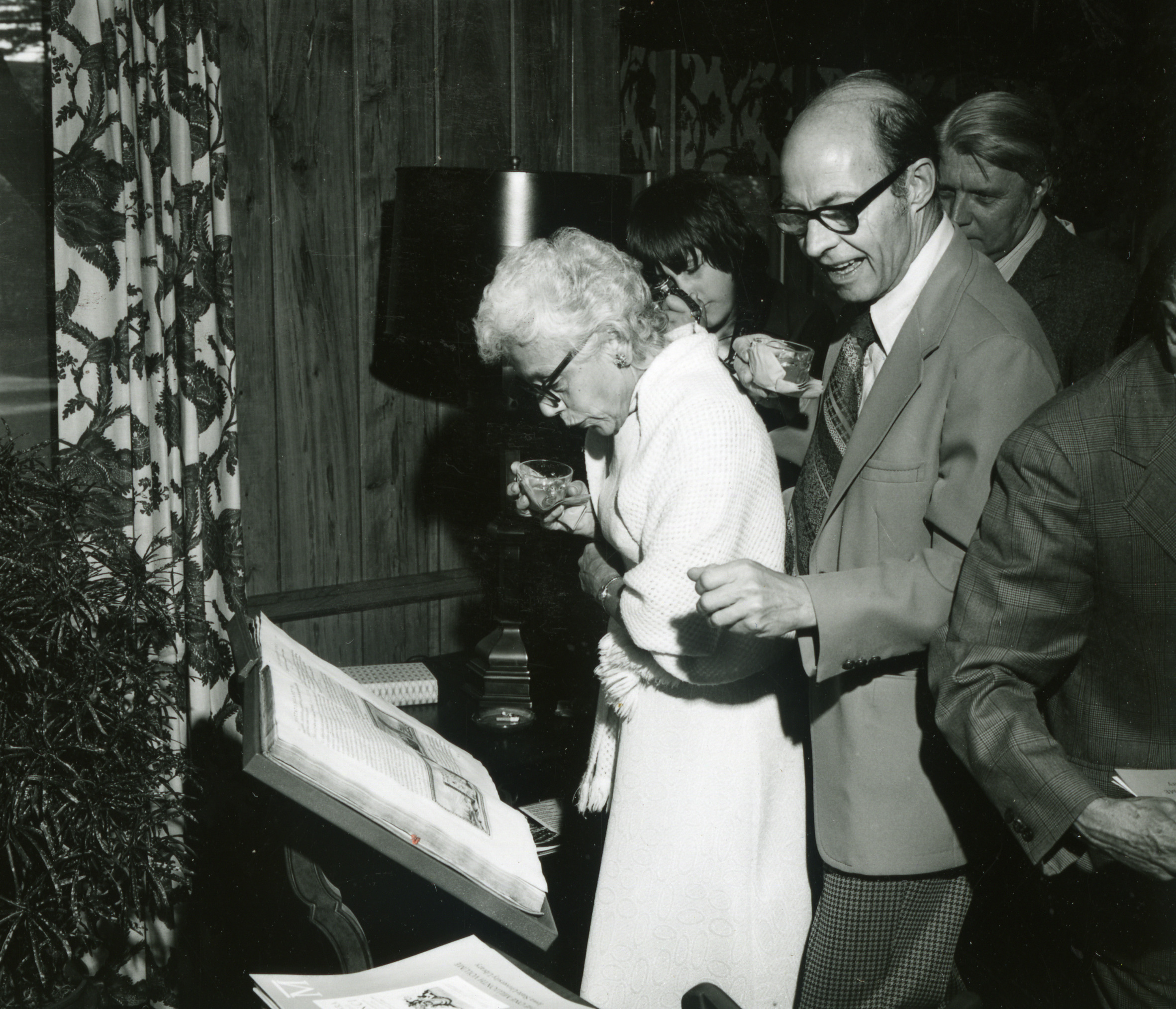
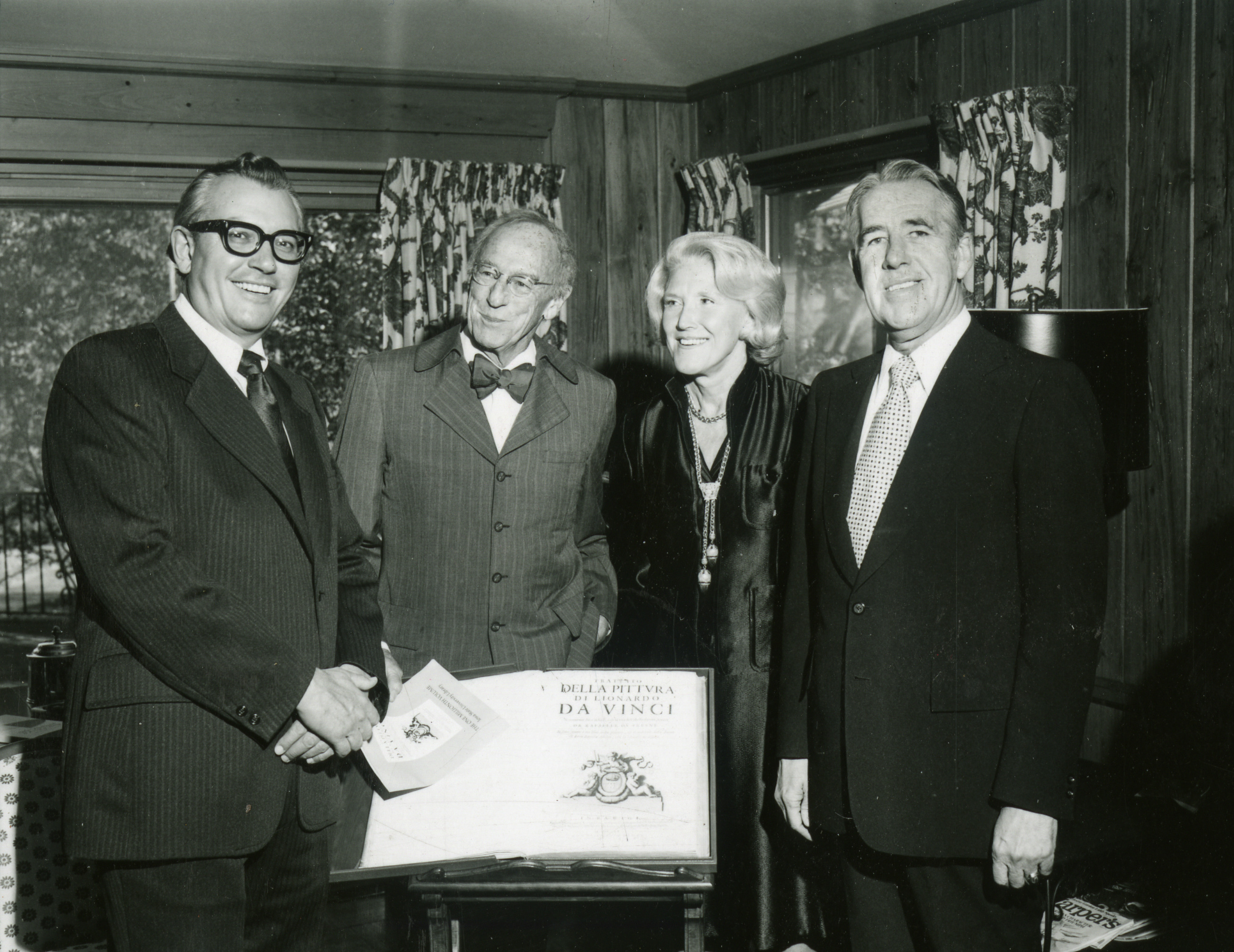
Building upon the College Historical Collection and the Rare Books collection, the library established the Special Collections Department in 1969 and began developing a manuscript collection. Special Collections gained prominence in 1974 when the library celebrated its one millionth volume: Leonardo da Vinci’s Trattato della Pittura, produced in 1651.
As early as 1968, Dean Kuhn compiled information about anticipated future needs for the library and university, and he repeatedly made the case for the third addition, emphasizing collection storage, increased seating, dedicated space for Special Collections, and expanded space for Circulation, Reference, and audio and computer facilities. President Parks was a strong advocate and echoed Kuhn’s concerns and requests in a call to action. To meet the growing needs of the library, the Iowa State University Foundation created a fund and a capital campaign. The Board of Regents approved a major building expansion for the library, and the state legislature ultimately approved $8.1 million for this project in 1979.
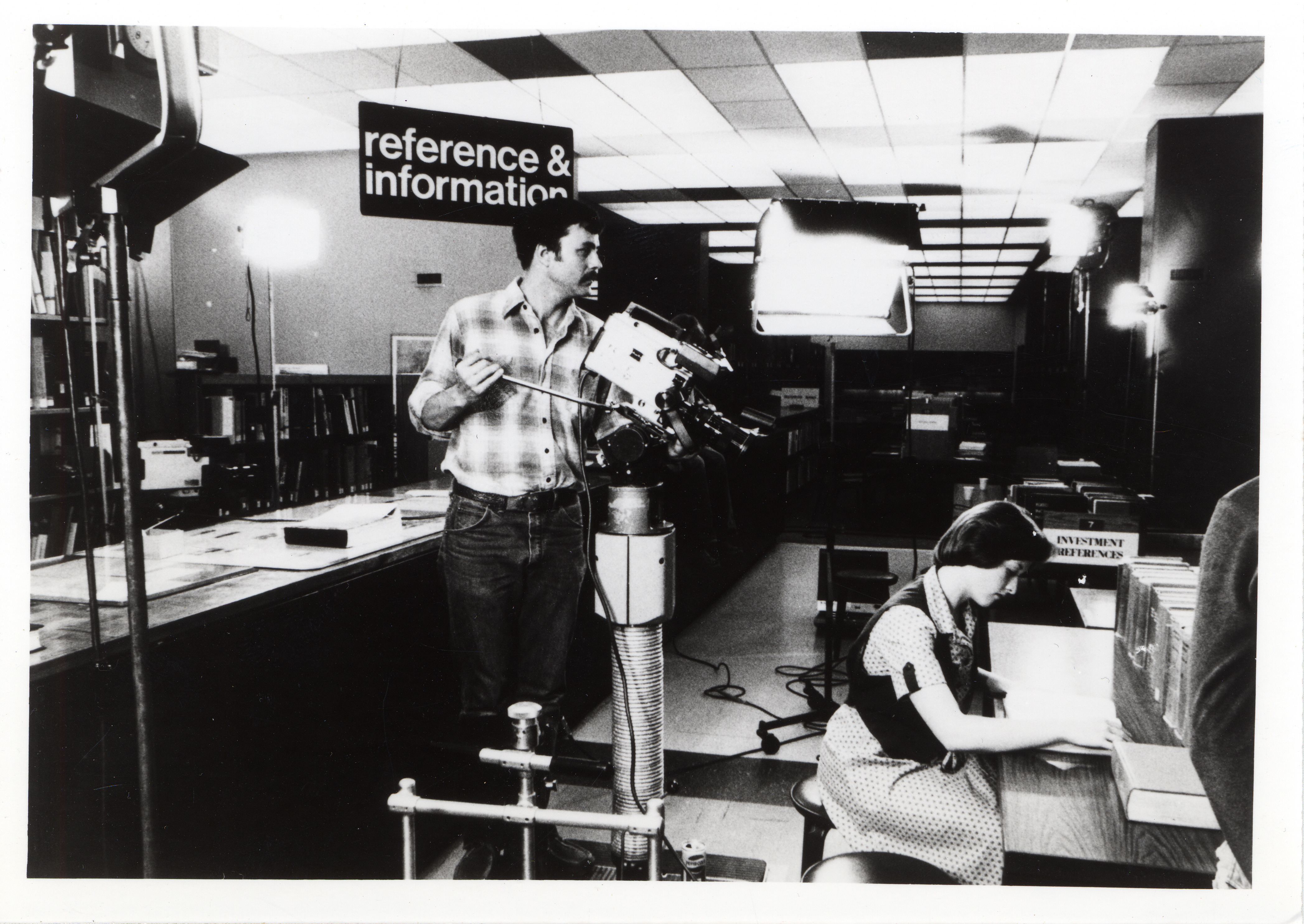
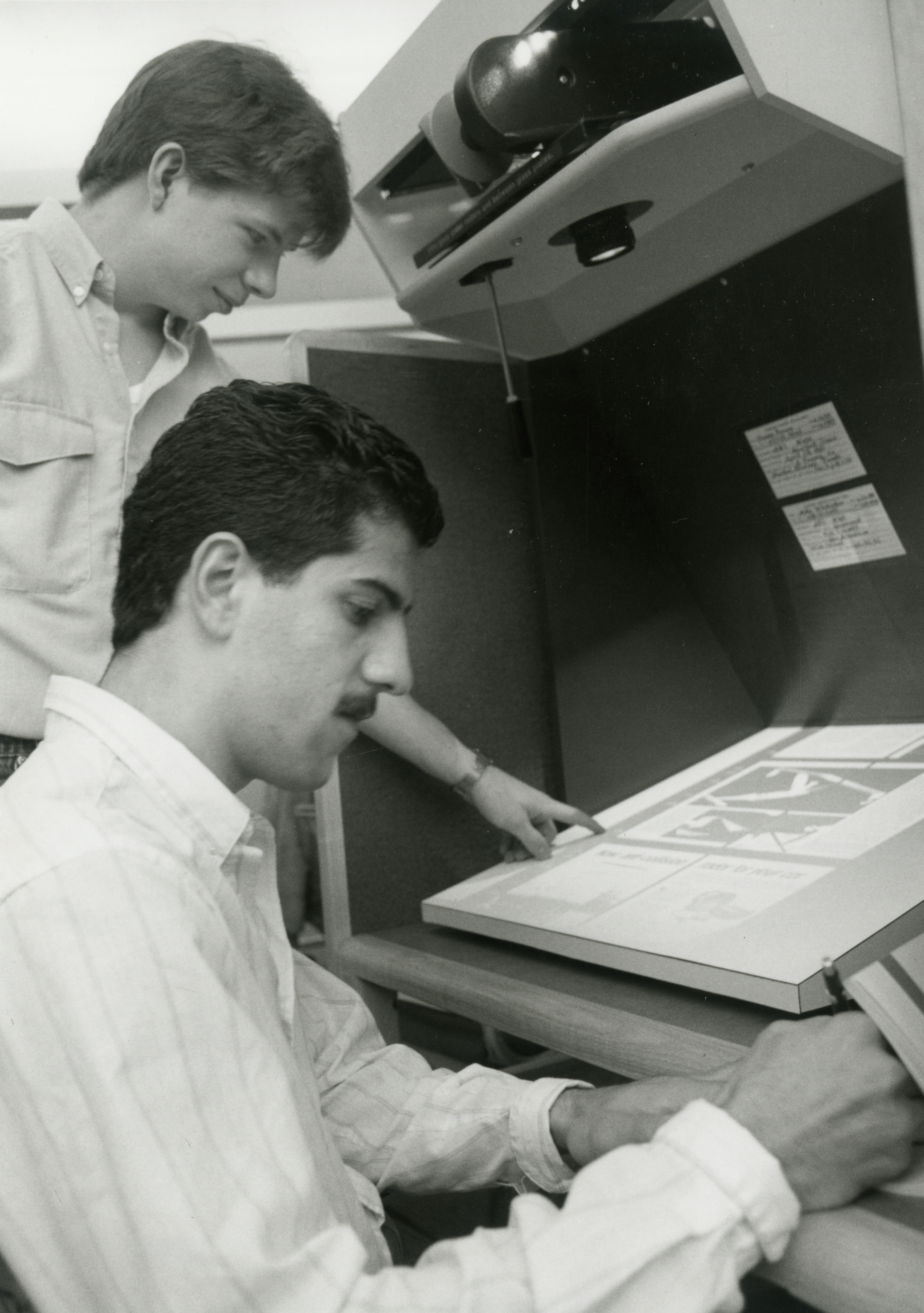

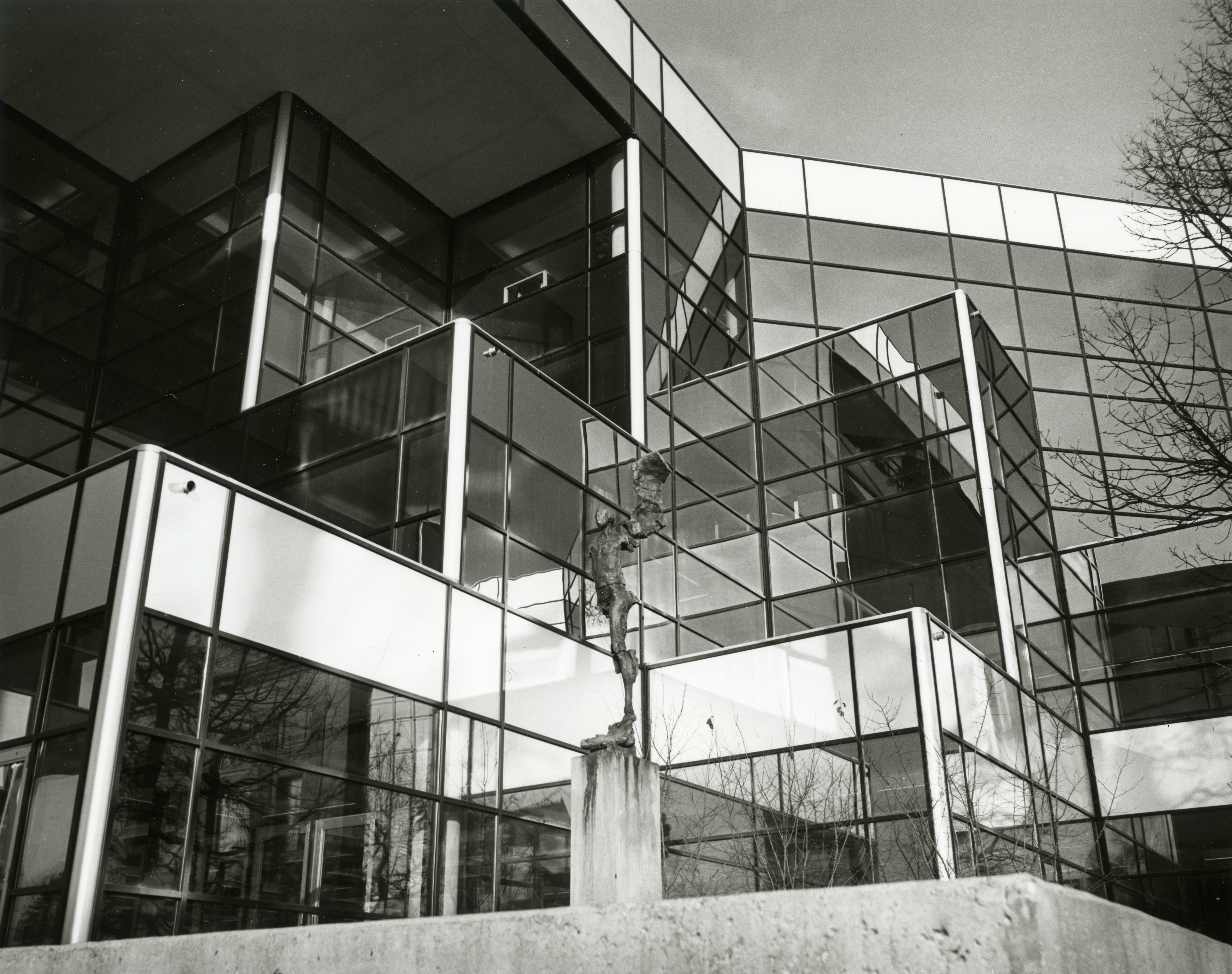
Work began on the third addition in November 1980. Originally slated for completion in 1982, delays pushed its opening to August 15, 1983. Designed by Charles Herbert and Associates, the addition expanded the existing building to the south and blended the historic architecture with new elements, notably a four-story glass wall, a central spiral staircase, and 103,000 square feet. On June 8, 1984, the library held a dedication ceremony, and the building was named for President William Robert Parks and Ellen Sorge Parks.
Designed by Charles Herbert and Associates, the addition expanded the existing building to the south and blended the historic architecture with new elements, notably a four-story glass wall with panoramic views of campus, a central spiral staircase, and a bridge walkway between the original 1925 building the 1980s addition. This added 103,000 square feet, bringing the building total to four times that of the original 1925 building.
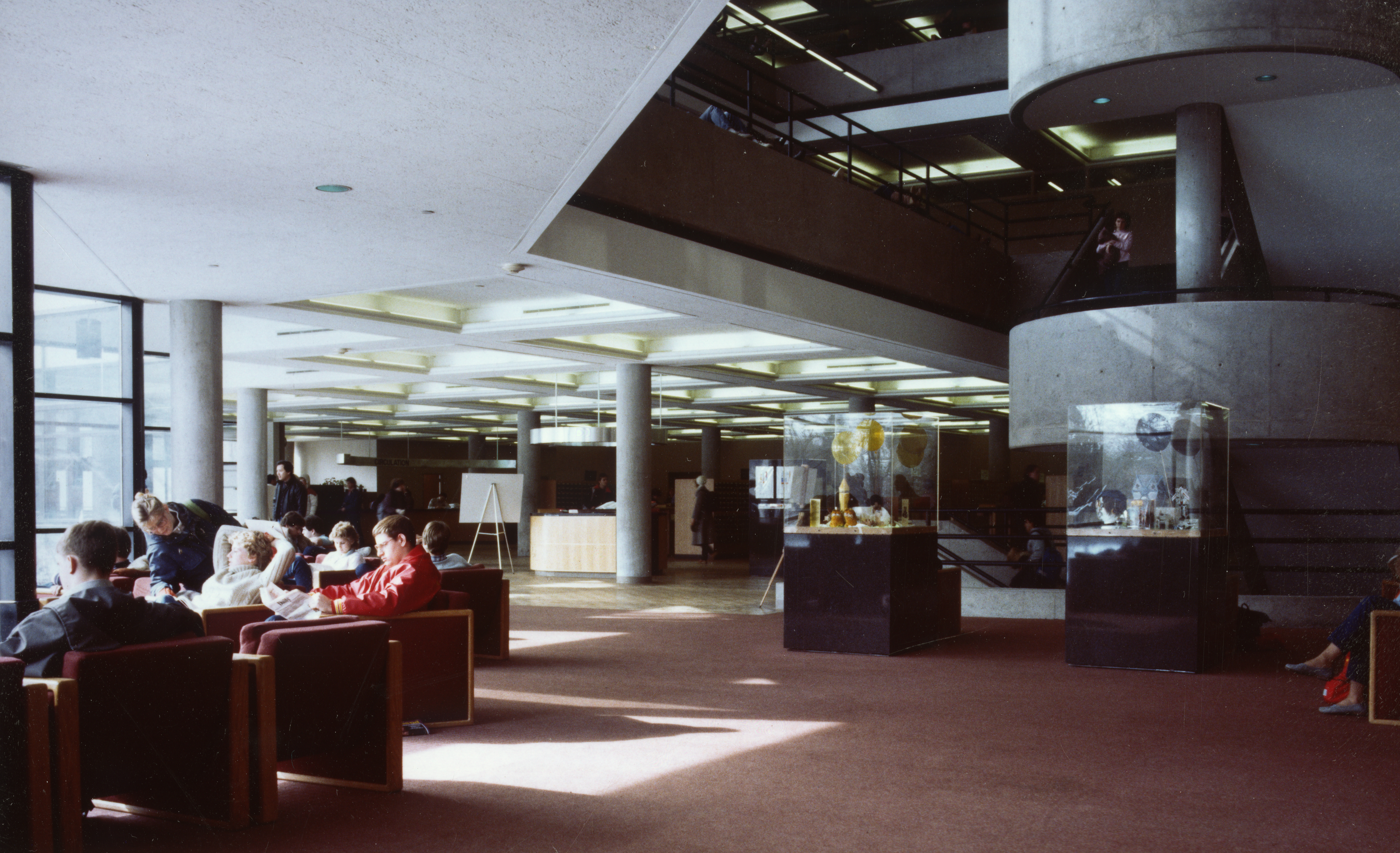
Since then, the library building has not been expanded or seen major renovations on the scale of those completed in 1961, 1969, or 1983, but the collections, spaces, services, technology, staff, and leadership continue to evolve to meet the changing higher education landscape and needs of students and researchers.
Today, the building houses 2.3 million physical items and provides digital access to over 2 million more e-books, databases, and journals, and welcomes as many as 10,000 visitors a day. While the library will inevitably continue to grow and change in new and unexpected ways, what remains true is what President Parks observed so many decades ago: